Most personal care products used daily contain plastic among their ingredients, which is why the UK will ban ‘microbeads’ from products marketed in the European country.
But what is a ‘microbead’?
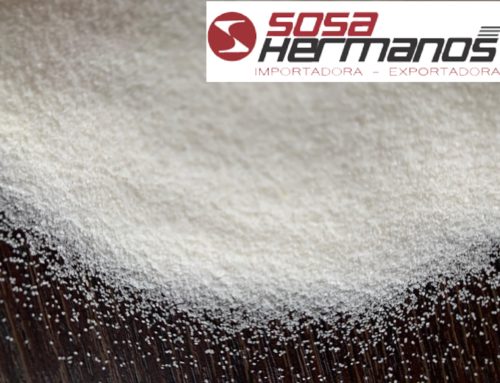
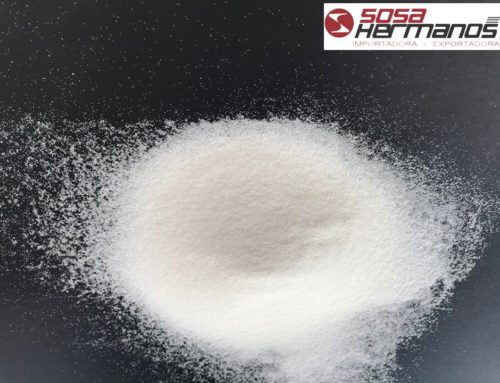
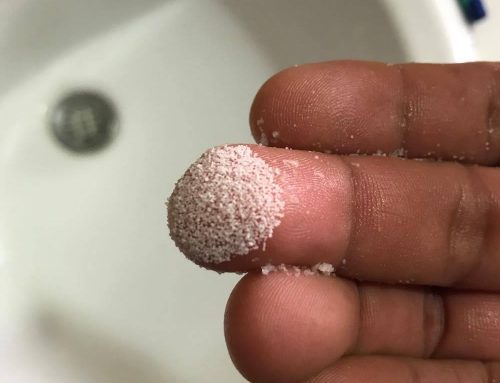
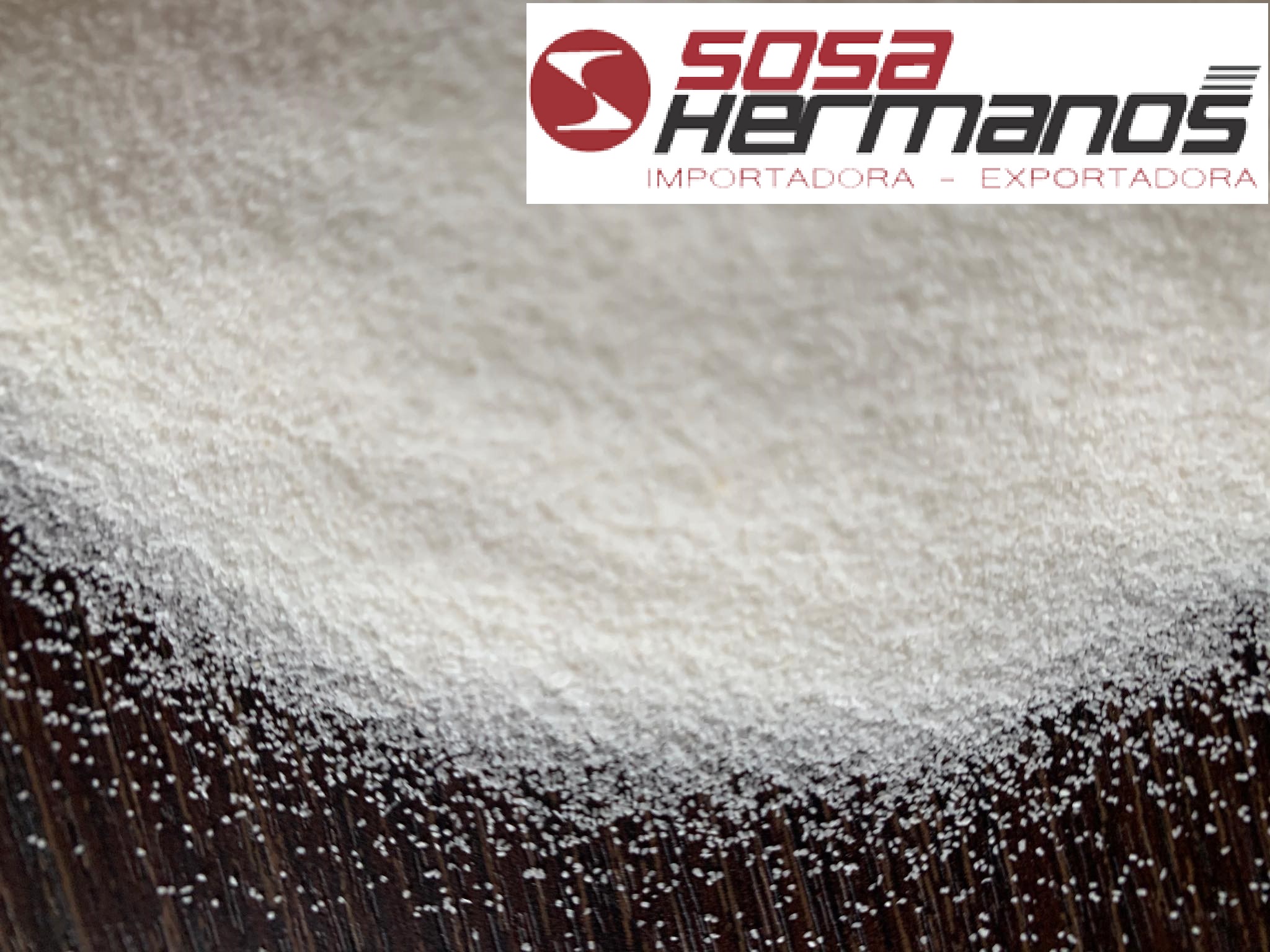
‘Microbeads’ or microspheres are a subgroup within the group of microplastics having a size between 0.1 micrometers to 5 millimeters and its purpose is to give an abrasive effect. They are used as additives for personal care products and can make up 10% of the total volume of a single article.
Some products or items that contain them are toothpaste, liquid soaps, bath gel, exfoliants for the face and body and lip gloss. They may also be present in some household cleaning products and sun blockers.
According to a study by Napper & Thompson, it has been found that some products of daily use can release to the environment some 94,500 microspheres for each use or application and the conventional systems of the plants of treatment of water do not detect them so the water returns to the sea with this plastic, causing them to pollute our oceans and entering our food chain.
Given the seriousness of the issue, the British government will introduce the strongest ban on microspheres worldwide. «… This is great news for our environment and a positive sign of Britain’s global leadership in ocean plastics …,» Greenpeace said.
Following a public consultation, the Department of Environment, Food and Rural Affairs (Defra) stated that the use of microplastics in cosmetics and personal care products such as toothpaste would be banned.
For the time being, products such as make-up or sunscreen will not be affected, but a committee of experts has been asked to examine whether these and other products should also be banned.
Industries have not kept quiet about this situation and argue that the economic implications of changing the formula of their products are very high, but it will be more expensive that our oceans are infested with plastic; this is the time to renew itself, to leave a positive mark on the planet, additional to that there are different means to supply the microplastics.
The microplastic has spread all over the planet, in fact it is estimated that there are more than 300 billion pieces of microplastic only in the Arctic Ocean; it is no coincidence that marine life ends up feeding on this pollutant.
One study showed that since 1950 mankind has produced about 8.3 billion metric tons of plastic, creating 6.3 billion tons of waste; where most of these residues end up in dumps or thrown into the environment.
Environment Secretary Michael Gove said that there is a serious threat to wildlife and promised to continue with new methods to reduce the amount of plastic, particularly plastic bottles that enter the sea.
«… To achieve an effective ban we need companies to be transparent and report what products have microspheres and in what quantities …». Louisa Casson, Oceans activist at Greenpeace UK
While this is a great step to start freeing our oceans of plastic, we must take this impetus to execute quick measures and be able to face the great threat that plastic means.
«… Prohibiting microspheres is an important start to tackle the millions of tons of plastics that enter the oceans each year. Microspheres are one of the most widespread forms of marine pollution and tackling the root problem is more effective than cleaning up the sea «The ban should be as wide as possible to cover all products: there should be no gaps or exemptions.» Ocean creatures do not distinguish between different cosmetics …, «said Tanya Steele, executive director of WWF-UK.
The British government will introduce this legislation before the end of the year. The manufacture of products with microplastics will be prohibited as from January 1, 2018 and the sale containing these products as of June 30 of the following year.
To this legislation should be added all plastic products, bottles, bags, containers, etc., since most of the plastic gradually decomposes over time into small pieces ending in microplastic.